


Understanding Burnout and How to Recover

Burnout is more than simply feeling tired after a busy week. It is a state of physical, mental and emotional exhaustion caused by prolonged stress. Whether it stems from work, caring responsibilities or trying to balance too many commitments, burnout can affect every aspect of your life.
The good news is that burnout is not permanent. By recognising the signs early and taking practical steps to prioritise your wellbeing, you can recover and reduce the risk of it happening again.

What Is Burnout?
Burnout develops gradually when ongoing stress is left unmanaged. Unlike everyday tiredness, it cannot be fixed with one good night's sleep or a relaxing weekend. Instead, it leaves you feeling emotionally drained, overwhelmed and unable to cope with daily demands.
While burnout is often associated with the workplace, it can also affect parents, carers, students and anyone facing long term pressure.
Signs and Symptoms of Burnout
Recognising the early signs of burnout is essential for recovery. Common symptoms include:
Constant exhaustion, even after resting
Feeling emotionally drained or detached
Difficulty concentrating
Loss of motivation
Increased irritability
Trouble sleeping
Frequent headaches or muscle tension
Feeling overwhelmed by simple tasks
Losing interest in activities you once enjoyed
Everyone experiences burnout differently, but if these symptoms persist for several weeks, it may be time to reassess your workload and seek support.
What Causes Burnout?
Burnout is usually caused by a combination of factors rather than one single event. Common causes include:
Excessive Workload
Long hours, unrealistic deadlines and constant pressure can leave little time to recover.
Poor Work Life Balance
When work regularly takes over evenings and weekends, it becomes difficult to switch off and recharge.
High Expectations
Trying to be perfect or saying yes to every opportunity can lead to emotional exhaustion over time.
Lack of Support
Feeling isolated at work or at home can make stressful situations feel even more difficult to manage.
Stress vs Burnout
Although stress and burnout are closely linked, they are not the same.
Stress usually involves feeling overwhelmed by too many demands. Burnout, however, often feels like you've completely run out of energy and motivation. Instead of feeling pressured, you may feel emotionally numb or disconnected.
Understanding this difference can help you recognise when it's time to slow down and prioritise your wellbeing.
How to Recover From Burnout
Recovering from burnout takes time, but small, consistent changes can make a significant difference.
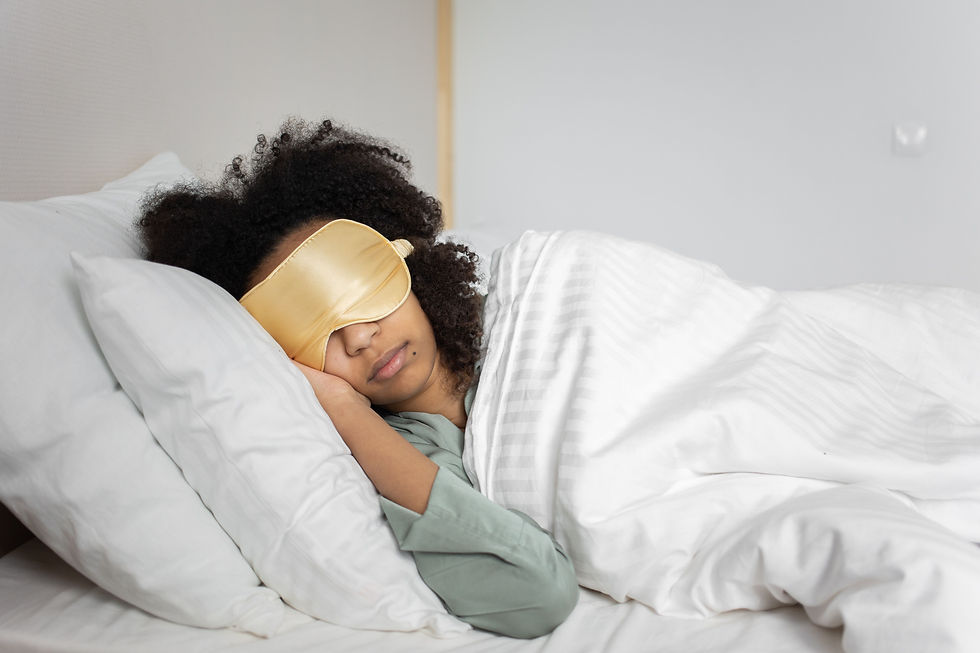
Prioritise Rest
Quality sleep is one of the most important parts of burnout recovery. Aim for a regular bedtime, reduce screen time before bed and create a calming evening routine.
Remember that rest also includes taking breaks, spending time in nature and allowing yourself moments of stillness throughout the day.
Set Healthy Boundaries
Learning to protect your time is essential. This could mean avoiding work emails outside office hours, taking your lunch break or saying no to extra commitments when your schedule is already full.
Healthy boundaries help prevent ongoing stress from building up.
Move Your Body
Gentle exercise can improve mood, reduce stress and boost energy levels. Walking, stretching, yoga or cycling are all great ways to support both your physical and mental wellbeing.
Choose activities you genuinely enjoy rather than viewing exercise as another task to complete.
Nourish Your Body
Eating balanced meals and staying hydrated can support your recovery. Aim to include plenty of fruit, vegetables, whole grains, lean protein and healthy fats to give your body the nutrients it needs.
Reach Out for Support
Burnout can feel isolating, but you don't have to deal with it alone. Talking to a trusted friend, family member or colleague can make a huge difference. If your symptoms persist, consider speaking with your GP or a mental health professional.
Preventing Burnout
While it's not always possible to avoid stressful periods, there are steps you can take to reduce your risk of burnout.
Make time for regular breaks throughout the day, prioritise activities that help you relax and learn to recognise your personal warning signs before stress becomes overwhelming.
It's also important to practise self compassion. Many people experiencing burnout place extremely high expectations on themselves. Remember that you don't need to be productive every moment of every day. Rest is a vital part of maintaining your overall health.
Building strong relationships and maintaining a healthy work life balance can also help you cope with life's challenges more effectively.
When to Seek Professional Help
If burnout is affecting your ability to work, maintain relationships or manage everyday tasks, it's important to seek professional support.
Speak to your GP if you're experiencing persistent low mood, anxiety, ongoing exhaustion or symptoms that aren't improving despite making lifestyle changes. Early support can make recovery much easier.
Final Thoughts
Burnout is becoming increasingly common, but it doesn't have to define your life. Recognising the symptoms early, setting healthy boundaries and making time for proper rest are all important steps towards recovery.
Remember that healing takes time. Focus on small, sustainable changes rather than trying to fix everything at once.
At Well By Design, we believe that wellbeing isn't about doing more. It's about creating habits that help you feel healthier, happier and more resilient every day. Looking after yourself isn't a luxury. It's one of the most important investments you can make in your long term health.


Comments